
Loading...
Serving Tifton, GA and surrounding areas. (229) 479-8090
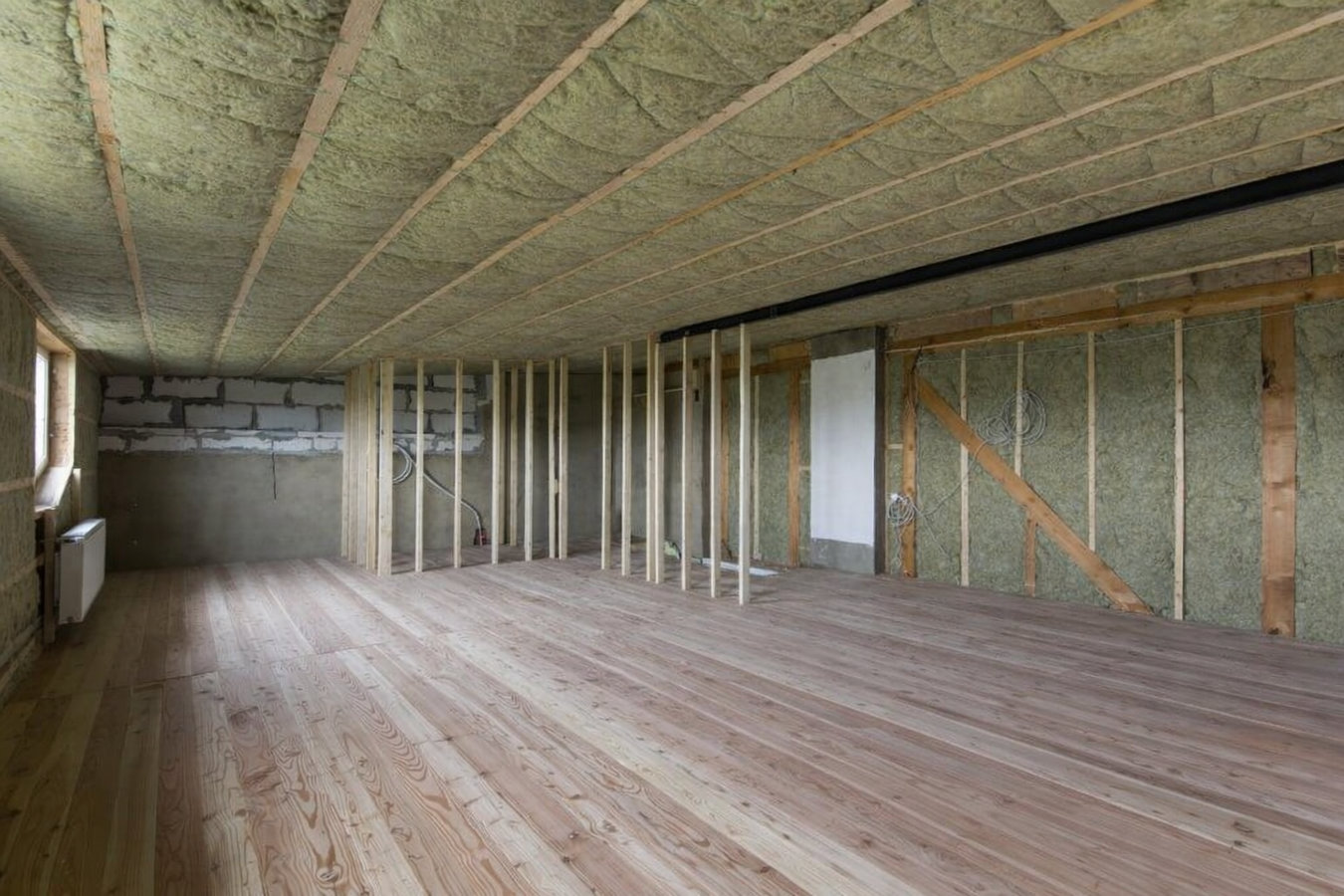
An uninsulated basement lets heat, humidity, and cold air move freely into your home from below. We insulate and seal foundation walls and floor joists so your home holds temperature and your energy bills stop creeping up.
Basement insulation in Tifton, GA creates a thermal barrier between your living space and the temperature extremes that work their way in through foundation walls and uninsulated floor joists - most jobs take one to two days for an average-sized home and include an assessment for moisture before any material goes in.
In Tifton, where air conditioning runs for seven or eight months of the year, an uninsulated basement is one of the most overlooked sources of heat gain. Many homes built in the 1950s through 1980s were never insulated below the first floor, which means owners have been paying for that gap for years. Pairing basement insulation with crawl space insulation addresses the full below-grade thermal envelope if your home has both a basement and a crawl space section.
The U.S. Department of Energy recommends insulating basement walls or floor joists depending on whether the basement is conditioned or unconditioned, and notes that proper air sealing alongside insulation delivers the strongest energy savings.
If your air conditioner never seems to fully catch up during Tifton's long, hot summers, heat and humidity entering from an uninsulated basement may be a major factor. An uninsulated foundation wall is a steady path for outdoor heat to reach your living space, and your cooling system pays the price.
Walk barefoot across a room above your basement. If the floor feels noticeably warm in July or uncomfortably cold in January, the space below is not buffering the temperature difference. This is especially common in older Tifton homes built without any floor insulation as part of the original construction.
A persistent earthy or musty odor coming from the basement often signals moisture buildup. In Tifton's humid climate, condensation can form on uninsulated surfaces and create the conditions for mold to develop - even when there is no visible water. Insulation paired with moisture management addresses both issues.
If your home dates from the 1950s through 1980s and you have never had the basement inspected for insulation, there is a reasonable chance it has little or none. Many homes in Tifton's established neighborhoods were built in an era when below-grade insulation simply was not standard practice.
We insulate basements using two main approaches depending on whether your space is conditioned - meaning heated and cooled - or left unfinished. Foundation wall insulation applies insulation material directly to the interior of your basement walls, which is the right approach for conditioned basements where you want to bring the whole space inside the home's thermal envelope. Floor joist insulation places material between the wooden beams overhead and is typically used in unconditioned basements where the goal is to stop heat from moving through the floor above. Both approaches can be combined with closed-cell foam insulation for homes in South Georgia where moisture resistance alongside R-value performance is the priority.
Every job starts with an honest look at your basement's current condition. If there are any signs of moisture intrusion, mold, or pest damage, we flag those before any material goes in - because insulating over a moisture problem traps it rather than solving it. We also address rim joist sealing during most basement jobs, since the rim joist is one of the most common sources of air leakage in older homes and is often overlooked by contractors who focus only on walls and floors.
Best for conditioned basements where the goal is to bring the entire below-grade space inside the home's thermal envelope.
Good for unconditioned basements where the priority is blocking heat transfer through the floor above.
Addresses one of the most common air leakage points in older Tifton homes - often done alongside wall or joist insulation.
For basements with any history of water, humidity, or pest activity - completed before new insulation goes in.
Tifton sits in Climate Zone 2 under Georgia's energy code - one of the hottest and most humid designations in the continental United States. That means your basement insulation has to manage heat gain from outside in summer, occasional cold from the ground in winter, and persistent humidity that Tifton's climate delivers year-round. Summer relative humidity in the area regularly exceeds 80 percent, which is why contractors here tend to recommend materials like closed-cell foam that resist moisture rather than absorb it. Homeowners in Cordele and Fitzgerald face the same climate conditions as Tifton homeowners, and the approach we use reflects what actually works in South Georgia's environment.
A large portion of Tifton's housing stock dates from a period when basement and crawl space insulation was minimal or entirely absent by today's standards. South Georgia's pest pressure - particularly termite and rodent activity in Tift County - adds another layer of risk, because certain insulation materials can provide nesting material if the basement is not properly sealed. Contractors who understand local conditions choose materials and installation methods that account for both the climate and the pest environment, not just the R-value number on the label.
We respond within 1 business day. Tell us what you have noticed - high bills, warm floors, a musty smell, or an older home that has never been inspected below the first floor. A few quick questions help us come prepared for the visit.
We visit your basement and walk through the space with you - looking at wall conditions, floor joists, existing insulation, and any signs of moisture or pest damage. The visit usually takes 30 to 60 minutes and includes a plain-language explanation of what we find.
After the visit, you receive a written estimate breaking down materials, scope of work, and total cost. If moisture prep or air sealing is recommended alongside insulation, it is listed separately so you know exactly what you are paying for before anything starts.
Most jobs take one day. The crew sets up, does the work, and cleans up before leaving. We walk you through the finished installation so you can see the coverage and ask any questions. If spray foam is used, a 24-hour ventilation window applies.
No pressure, no obligation. We visit your home, explain what we find, and give you a written quote.
We check for water intrusion, condensation, and pest damage before any insulation goes in. In Tifton's climate, skipping that step leads to trapped moisture and failed insulation within a few years - so we do it right the first time.
Our crews work on Tifton basements and crawl spaces year-round and know the local housing stock inside and out. We coordinate any required permits with the county and document every job, so you have a clear record of the work when it is done.
Not all insulation performs the same in a hot, humid climate. We recommend materials - and installation approaches - based on what actually works in Climate Zone 2, not just what is cheapest or most familiar. That includes factoring in pest pressure, which is significant in Tift County.
Our written estimates separate insulation from any prep work so you can see the full scope before you commit. We do not quote jobs over the phone without a site visit, because accurate pricing requires seeing the actual condition of your basement.
Basement insulation in South Georgia is not a job where cutting corners pays off. Our approach - assessing moisture first, choosing climate-appropriate materials, and walking you through the finished work - is what makes the investment hold up over time.
The high-performance option for basement walls and rim joists in humid South Georgia conditions.
Learn MoreAddress the full below-grade thermal envelope if your home has both a basement and a crawl space.
Learn MoreTifton summers are long and your foundation is working against you every day - the sooner you insulate, the sooner your energy bills reflect it.