
Loading...
Serving Tifton, GA and surrounding areas. (229) 479-8090
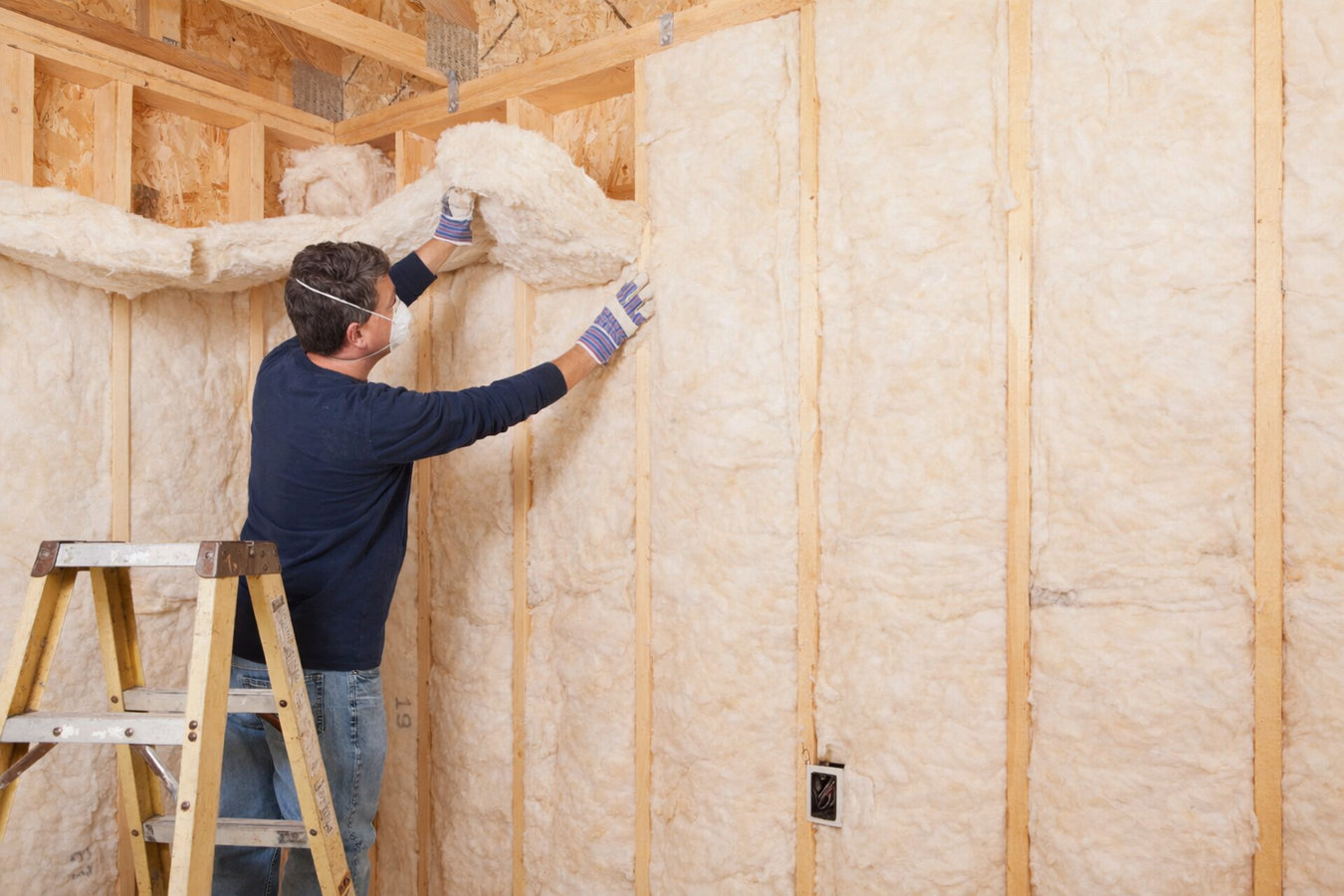
If certain rooms stay hot no matter what you do with the thermostat, your walls may be the problem. We insulate walls in Tifton homes so your AC can finally keep up.
Wall insulation in Tifton slows the transfer of heat through your exterior walls, keeping conditioned air inside and hot Georgia air outside, with most jobs completed in a single day.
In Tifton, your air conditioner works from May through September - sometimes longer. When your exterior walls have little or no insulation, heat pushes straight through them and into your living space, forcing your AC to run constantly just to stay even. Wall insulation creates a real barrier between the Georgia heat and your home.
Many Tifton homes, especially those built before 1980, were constructed with minimal wall insulation. Pairing wall insulation with air sealing services gives you the most complete thermal barrier - stopping both conducted heat and the outdoor air that sneaks in through gaps.
If a west-facing or south-facing room feels noticeably hotter than the rest of the house on summer afternoons, the walls in that area are not doing their job. Tifton afternoon sun is intense from late spring through early fall, and walls without adequate insulation absorb that heat directly into your living space. The problem gets worse as the summer drags on.
Press your hand flat against an interior wall surface on a hot day. If it feels noticeably warm - almost radiating heat - that is a sign the wall cavity has little or no insulation. A properly insulated wall should feel close to room temperature even when it is 95 degrees outside.
Homes built in Tifton before 1980 were often constructed with minimal wall insulation or none at all. Brick-veneer homes common in older Tifton neighborhoods are sometimes mistaken for well-insulated - the brick itself provides almost no thermal protection. If you have never had the walls checked, there is a real chance you are losing energy every day.
Tifton pollen season is long and intense. If outdoor air is finding its way through gaps in your wall assembly, you will feel it inside - unusual dustiness, allergy symptoms that seem worse indoors, or a faint musty smell in certain rooms. Addressing wall insulation, along with proper air sealing, can make a real difference in how the air inside your home feels.
The two main approaches for insulating existing walls are blown-in insulation and spray foam. Blown-in insulation - loose material pumped into wall cavities through small holes - is the most common choice for finished homes where you do not want to tear out drywall. It works in almost every wall type, fills irregular cavities completely, and leaves minimal trace once the holes are patched. For homes that are under renovation or being built new, blown-in insulation and spray foam both deliver excellent results.
We also assess your walls for air infiltration as part of every job. Insulation slows heat conduction, but gaps in the wall assembly let hot, humid outdoor air bypass the insulation entirely. Combining wall insulation with air sealing services gives you a wall assembly that blocks both conducted heat and air movement - the complete solution for South Georgia's climate.
Best for finished homes where walls are already drywalled - small holes are drilled, material is pumped in, and holes are patched the same day.
Best for new construction or major renovations where walls are open - expands to fill every corner and provides both insulation and air sealing in one step.
Best for older Tifton homes that were built with little or no wall insulation - adds meaningful thermal protection without requiring a full renovation.
Best for homeowners who want the maximum improvement in comfort and energy savings - addresses both heat conduction and air infiltration in a single project.
Tifton sits in a hot, humid climate where temperatures regularly top 90 degrees from May through September. That is a long cooling season, and homes without adequate wall insulation are fighting the heat all day with no real defense. A significant share of Tifton's housing stock was built in the 1950s through 1970s, when wall insulation standards were far lower than they are today. Many of these homes have little or no insulation in the exterior walls - not because someone removed it, but because it was never there. South Georgia's humidity adds another layer of risk: when warm, moist outdoor air meets a cooler interior wall surface, moisture can condense inside the cavity and feed mold over time. The right insulation material and installation method accounts for both heat and humidity.
We work on homes throughout the region. Homeowners in Sylvester and Ashburn face the same climate challenges and the same older housing stock as Tifton - brick-veneer ranch homes, single-story layouts with lots of exterior wall area, and decades of energy costs that could have been lower. If your home fits that description, wall insulation is one of the highest-return improvements you can make.
For more on how wall insulation standards affect homes in this region, the U.S. Department of Energy maintains clear guidance on recommended R-values by climate zone.
We will ask a few basic questions - your address, the age of your home, and any comfort problems you have noticed. We reply within one business day and can usually schedule an in-home assessment within a few days.
A technician walks through your home and checks the walls, attic access, and any problem areas you have flagged. We may use a thermal camera or probe to confirm whether insulation is present. You get a written estimate before any work is scheduled - no obligation.
The crew drills small holes - either in the siding or drywall - and pumps insulation into each wall cavity. Most single-story Tifton homes are done in a single day. You can stay home; the noise is moderate and the crew works in contained sections.
Once insulation is in, every hole is patched and finished. If the crew worked from outside, patches are painted to blend with your siding. The work area is cleaned before the crew leaves and every room is usable that same evening.
Free estimate. Written quote. No pressure. We reply within one business day.
Tifton's older brick-veneer homes require a different installation approach than modern construction. We have worked on homes throughout Tift County and the surrounding region, so we know what to expect and how to handle it - including the pest pressure and humidity challenges specific to this part of Georgia.
Because insulation is invisible once installed, we use density checks and thermal imaging to confirm every wall cavity is fully filled. You receive a written summary and photos of the completed work, so you have documentation to keep.
The Building Performance Institute sets standards for how energy improvement work should be done in homes, including how to choose insulation materials and methods that account for moisture. We follow these guidelines because skipping them in South Georgia leads to problems. You can read more at bpi.org.
We tell you what your walls actually need, not the most expensive option available. If your home needs a straightforward blown-in job, that is what we quote. If there is a moisture concern that should be addressed first, we tell you that too - before you spend money.
Every one of these points comes back to the same thing: you should know what was done, why it was done that way, and what to expect. That is how we work on every job in Tifton.
Close the gaps that let hot, humid outdoor air bypass your wall insulation entirely - the logical next step after insulating your walls.
Learn MoreThe most common method for adding insulation to finished wall cavities in Tifton homes without tearing out drywall.
Learn MoreTifton summers are long - the sooner your walls are insulated, the sooner you stop paying for heat you never wanted inside.